
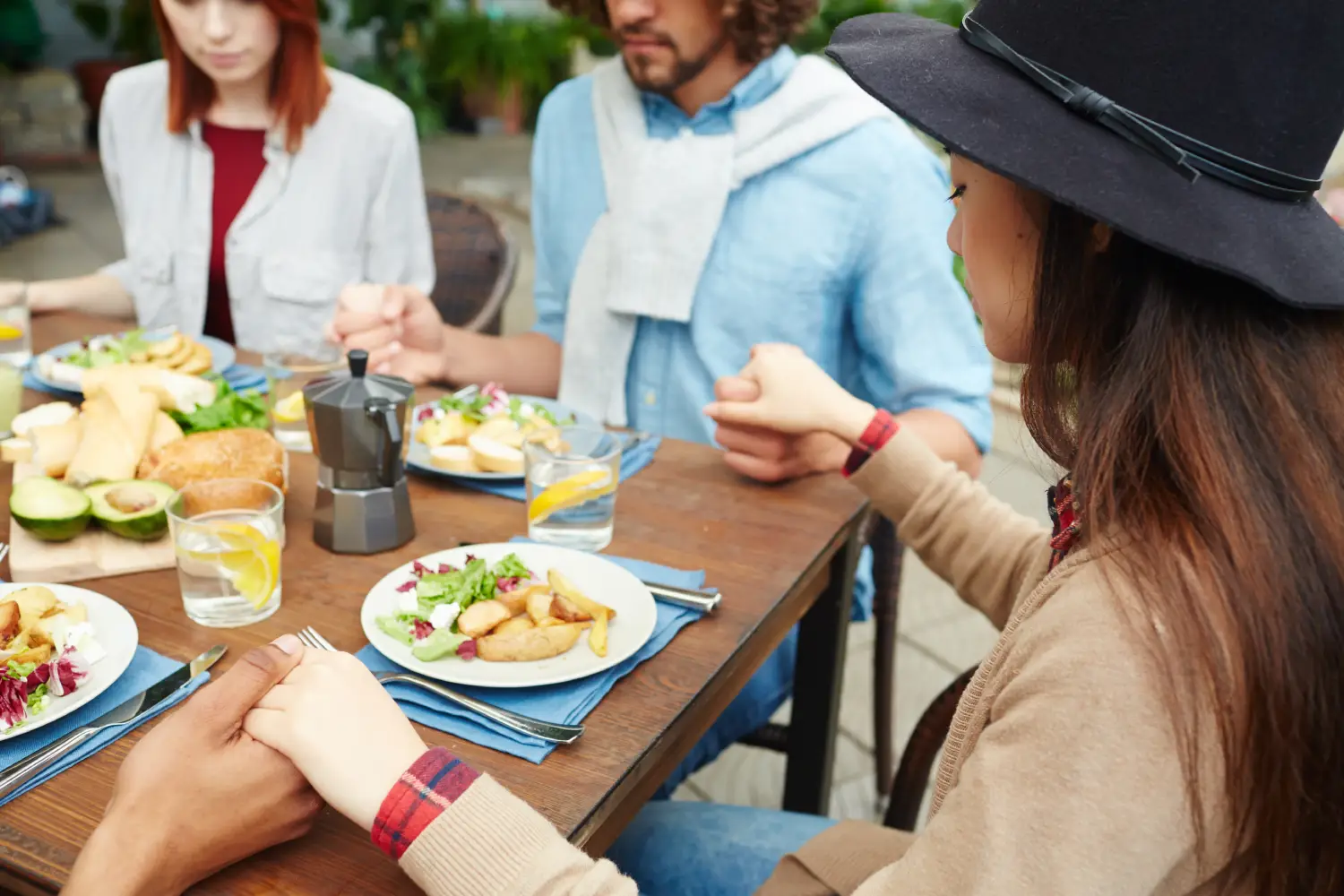
The meal services are crucial in big entertainment locations. Restaurants, cafes, and food courts are some of the places that offer visitors with places to relax as they take meals between activities and attractions.
The types of food that are served in entertainment areas tend to be very diverse and will suit the various taste and preference. The informal food and beverage restaurants, fast food outlets, and themed restaurants enable guests to have meals at their convenience and comfort.
The ambience of the eating places is normally created to suit the energetic ambience of the entertainment establishment. Light decor, comfortable chairs and open floor plans assist in providing areas where one can eat and talk.
Dining establishments are commonly located close to large attractions in such a way that the visitors do not have to leave the entertainment venue to take breaks. This convenience will make visitors keep spending their time in the district as they go on with their recreational activities.
Breaks during dining also make one relax after exploring various attractions and entertainment facilities.
These moments are usually taken by the visitors when they contemplate their experiences and think over the next things to engage in during the visit.
Relaxation-friendly eating places will be used to balance active recreation with rest and leisure.
CIRCUSCIRCUSHOTELCASINO.NET shows that the dining and relaxation areas of entertainment destinations assist the total experience.
Food, comfort and leisure form a harmonious tourist attraction experiences where recreation and relaxation co-exist in vibrant entertainment setups.eriences create a soothing mental rhythm that supports relaxation and emotional balance.
One of the key benefits of slow entertainment is improved attention span. By reducing constant stimulation, the mind regains its natural ability to focus deeply. This strengthens cognitive endurance and enhances productivity in daily tasks.
Slow entertainment also reduces emotional reactivity. Fast stimulation often triggers impulsive responses, whereas calm engagement encourages reflection and thoughtful decision-making. This shift supports emotional stability and reduces stress.
Another advantage is enhanced sensory awareness. Slow entertainment encourages individuals to fully experience the present moment. This mindfulness reduces anxiety related to past or future concerns, fostering a sense of peace and contentment.
Social slow entertainment further strengthens emotional well-being. Shared activities such as relaxed conversations or leisurely walks create meaningful connections and reduce feelings of isolation.
Mental recreation awareness emphasizes intentional choice in adopting slow entertainment habits. Limiting exposure to overstimulating content and consciously selecting calming activities ensures sustainable emotional benefits.
Ultimately, slow entertainment supports mental calmness by restoring natural cognitive rhythms. By integrating slower forms of recreation into daily life, individuals protect emotional stability, improve focus, and cultivate long-term psychological well-being.